If you’ve ever sat through a June outdoor ceremony where the program doubles as a makeshift fan, you already understand the assignment. Hand fans — small, handheld paddles or folding fans guests use to cool themselves during outdoor events — have become one of the most practically beloved favors at warm-weather weddings. Unlike a monogrammed bottle opener that ends up in a junk drawer, a fan gets used the moment it’s picked up, which is exactly the kind of favor retention that The Knot’s Outdoor Wedding Planning Guide and Brides’ roundup “The Best Wedding Favors Guests Actually Keep” consistently highlight as the gold standard for favor selection. This article compares the three formats couples are actually choosing right now — paper, silk (and fabric), and battery-powered electric fans — across the variables that matter most when you have a decision pending: per-unit cost, customization options, lead times, durability, and which guest experience each format delivers best.
| EDITOR'S PICK[Retisee 50 Pack Wedding Mini Fa…](https://www.amazon.com/dp/B0GT8JKZ5Y?tag=greenflower20-20) | Mid-tier50 Sets Wooden Hand Fan Wood Ha… | Budget pick[CroBlissful 100 Pcs Wedding Han…](https://www.amazon.com/dp/B0CTLQFL3W?tag=greenflower20-20) | |
|---|---|---|---|
| Battery | ✓ | ✗ | ✗ |
| Material | — | Wood | — |
| Quantity | 50 | 50 | 100 |
| Includes Bag | — | ✓ | — |
| Price | $115.99 | $47.49 | $32.99 |
| See on Amazon → | See on Amazon → | See on Amazon → |
The Core Tradeoff You’re Really Making
Before you get to aesthetics, get clear on the decision architecture. Every fan format sits at a different intersection of cost, ceremony duration tolerance, and brand impression. Here’s the honest frame:
- Paper fans are a commodity favor with excellent personalization upside and a sub-$5 per-unit floor. They’re disposable by design — guests rarely take them home.
- Silk and fabric fans are a keepsake favor with meaningful per-unit cost and real take-home value. They require longer lead times and more careful vendor vetting.
- Battery-powered mini fans are a utility favor — guests unambiguously use them, but they read more “practical” than “elevated,” and per-unit costs run higher than paper without the prestige of silk.
None of these is wrong. The mistake is buying the wrong tier for the wrong reason: getting silk fans because they photograph beautifully but having a 45-minute ceremony at a breezy vineyard (paper is fine), or buying paper fans for a 90-minute August rooftop ceremony in Charleston (get your guests actual airflow).
Style Me Pretty’s outdoor ceremony planning coverage notes that ceremonies exceeding 60 minutes in high summer temperatures generate meaningful guest discomfort — the kind that affects both the atmosphere and the photographs. If that’s your scenario, airflow is the functional brief, not just the aesthetic one.
Comparing the Three Formats
Paper Fans: The Workhorse Option
What you’re buying: A flat, paddle-style or folding fan, typically made from cardstock or kraft paper with a wooden or bamboo stick. Most vendors produce these via digital offset printing, which means full-color custom artwork at low minimums.
Cost range: $1.50–$5.00 per unit at quantities of 50–200. Rush fees and foil printing push the upper end toward $6–$7. At 100 guests with mid-range customization, budget $250–$450 total including shipping.
By the numbers:
| Configuration | Estimated Unit Cost |
|---|---|
| 50 units, basic digital print | $1.75–$2.50 |
| 100 units, full-color custom art | $2.00–$3.50 |
| 100 units, foil + premium stock | $4.50–$6.50 |
| Rush production add-on (5–7 days) | +$0.50–$1.00 |
Lead times: Standard production runs 10–14 business days from approved artwork. Rush is available at most volume printers for 5–7 days. If your venue is locked and your date is within six weeks, paper is the only format with reliable availability.
Customization ceiling: This is where paper shines relative to cost. You can print ceremony programs on the reverse side — a two-in-one format that Martha Stewart Weddings’ “Summer Wedding Favor Ideas” has flagged as a consistently popular approach — which eliminates a separate line item and reduces paper waste. Monograms, custom illustrations, date, and venue watermarks all reproduce cleanly on cardstock.
The honest limitation: Paper fans have essentially no take-home rate. Guests use them during the ceremony and leave them on the chair or at the reception table. If your favor goal is keepsake value, this format doesn’t deliver it. If your goal is guest comfort during the ceremony, it does the job completely.
Best for: Ceremonies of 60 minutes or less, per-guest budgets under $5, and couples who want ceremony programs integrated into the favor. Also a natural fit for rustic, bohemian, or garden-party aesthetics.
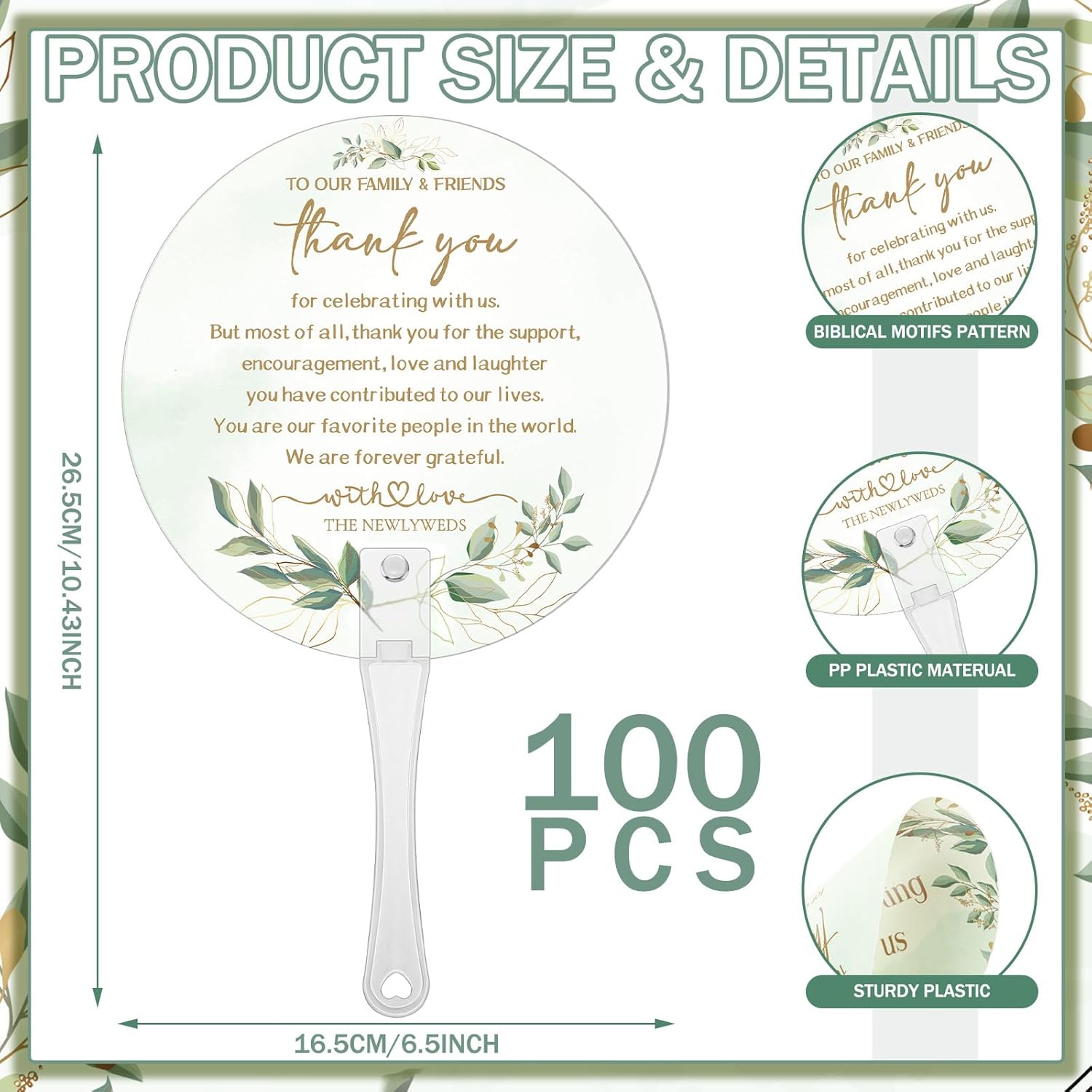
CroBlissful
$32.99
In stock on Amazon
Check price on AmazonSilk and Fabric Fans: The Keepsake Play
What you’re buying: A folding fan — the kind that snaps open with a flick of the wrist — made from silk, satin, chiffon, or quality synthetic fabric stretched over bamboo or sandalwood ribs. These have a centuries-long history as keepsake objects, and the format still carries that weight visually and physically.
Cost range: $8–$28 per unit depending on fabric quality, rib material, and customization method. Embroidered monograms and hand-painted details push the premium end. At 100 guests, you’re looking at $900–$2,800 total — a real line item.
Lead times: This is the buying anxiety trigger for this format. Domestic artisans working in small batches typically need 3–5 weeks. Wholesale suppliers sourcing from established manufacturers quote 4–8 weeks standard. Custom embroidery or hand-painting can extend that to 10–12 weeks. If you have a venue date inside 90 days, get your vendor on the phone before you commit to this format.
Customization ceiling: Silk fans can be monogrammed, painted, printed via heat transfer or screen, or packaged with custom ribbon and hang tags. The packaging presentation is meaningful — a silk fan in a kraft sleeve with a wax seal arrives as a gift, not a utility item. Brides’ “The Best Wedding Favors Guests Actually Keep” consistently points to objects with tactile quality and perceived value as the formats with highest retention rates, and fabric fans score well on both counts.
Durability in outdoor conditions: Quality silk fans hold up through a single-day event without issue under normal conditions. Humidity is the variable to watch: in high-humidity environments — coastal venues, summer in the South — cheaper synthetic fabrics can feel limp. Sourcing guidance from established silk fan suppliers consistently recommends requesting a sample before placing a full order, a step that adds a week to your timeline but eliminates the risk of a quality mismatch at scale.
The honest limitation: Per-unit cost is 4–6x paper. At 150 guests, the delta between paper and silk is $1,000–$3,500 depending on tier. That math is only comfortable if keepsake value is a genuine priority, not just an aspiration.
Best for: Destination weddings, black-tie outdoor events, or styled affairs where the fan appears in flat-lays and detail shots. Requires 8+ weeks of lead time and a per-guest favor budget of $10–$25.
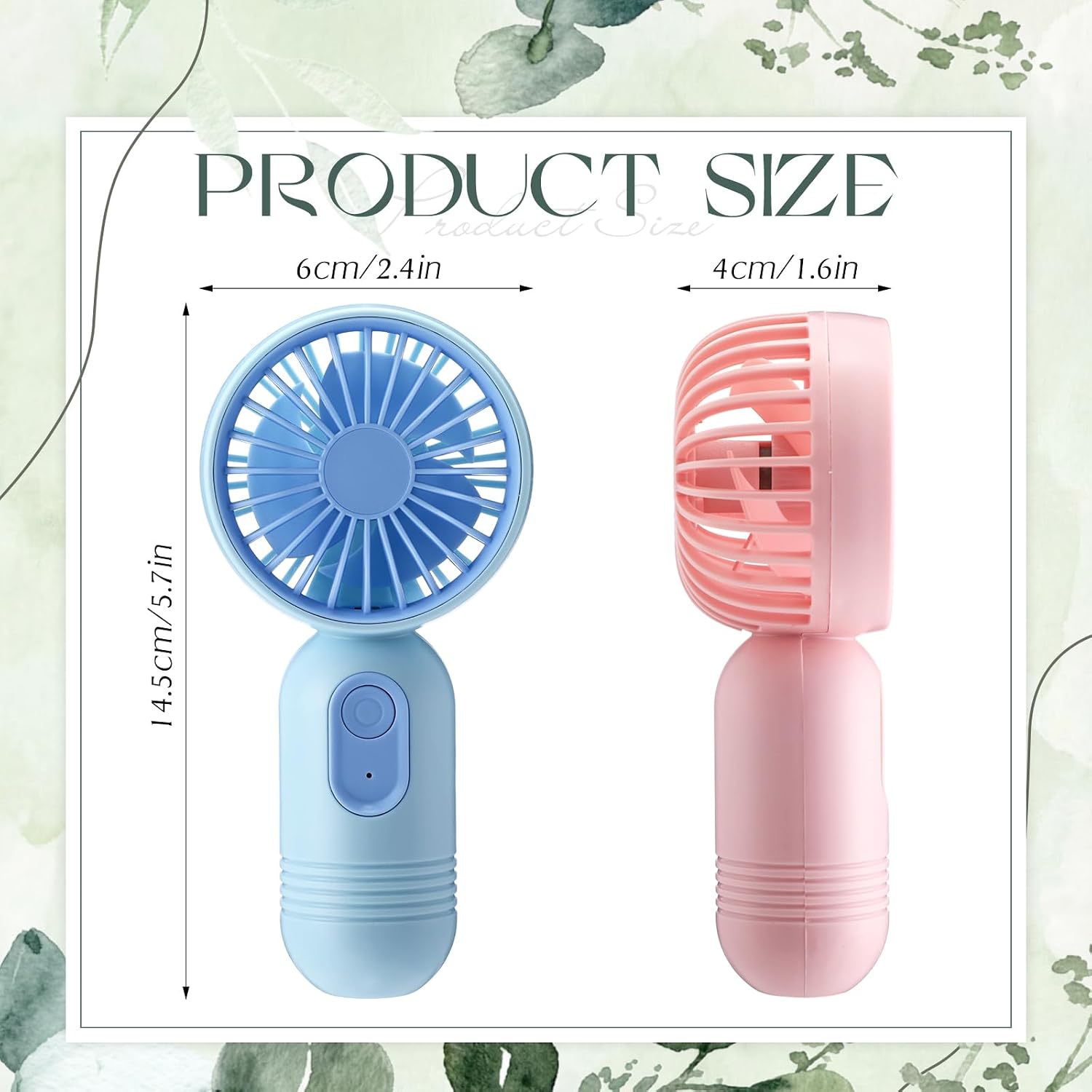
Retisee
$115.99
In stock on Amazon
Check price on AmazonBattery-Powered Mini Fans: The Utility Upgrade
What you’re buying: A small handheld or clip-on electric fan powered by AA batteries or a USB-rechargeable internal battery. Most are palm-sized, operate at 2–3 speed settings, and run 4–8 hours per charge depending on the model and speed setting.
Cost range: $6–$18 per unit at quantities of 50–150. Custom branding — laser engraving or a printed shrink sleeve — adds $1–$3 per unit at most corporate gifting suppliers. Budget $800–$2,500 for 100 guests with branded units.
Lead times: Branded versions through corporate gifting vendors typically run 2–3 weeks. Off-the-shelf units without customization are available within days from most major distributors. This is the fastest format for near-term timelines outside of standard paper printing windows.
The honest case for this format: No paper fan or silk fan produces actual moving air. Battery-powered fans do. For ceremonies in genuinely extreme heat — August in Savannah, desert venues in Arizona, rooftop events in mid-July — these are the only format where you’re actually solving the comfort problem rather than signaling effort. Guest feedback from summer outdoor events consistently describes battery fans as a memorable and genuinely appreciated gesture, precisely because the relief is tangible rather than symbolic.
The honest limitation: These do not read as elevated gifts. At a luxury tented wedding with high-end linen rentals, a battery-powered fan sitting at each place setting can create aesthetic tension with the surrounding environment. They also require battery management — couples who’ve distributed these report that dead batteries on arrival are a real risk if units aren’t checked before setup day. Budget time for a full unit check the evening before.
Brand impression consideration: If you’re sourcing for a corporate welcome suite or an outdoor brand activation rather than a wedding, battery fans with laser-engraved branding land differently — they’re read as thoughtful and practical rather than budget-conscious. The format travels better in corporate gifting contexts than it does in formal romantic wedding aesthetics.
Best for: Ceremonies exceeding 75 minutes in projected temperatures above 90°F, guests with known heat sensitivity, casual or festival-style outdoor events, and corporate welcome suites or outdoor brand activations.
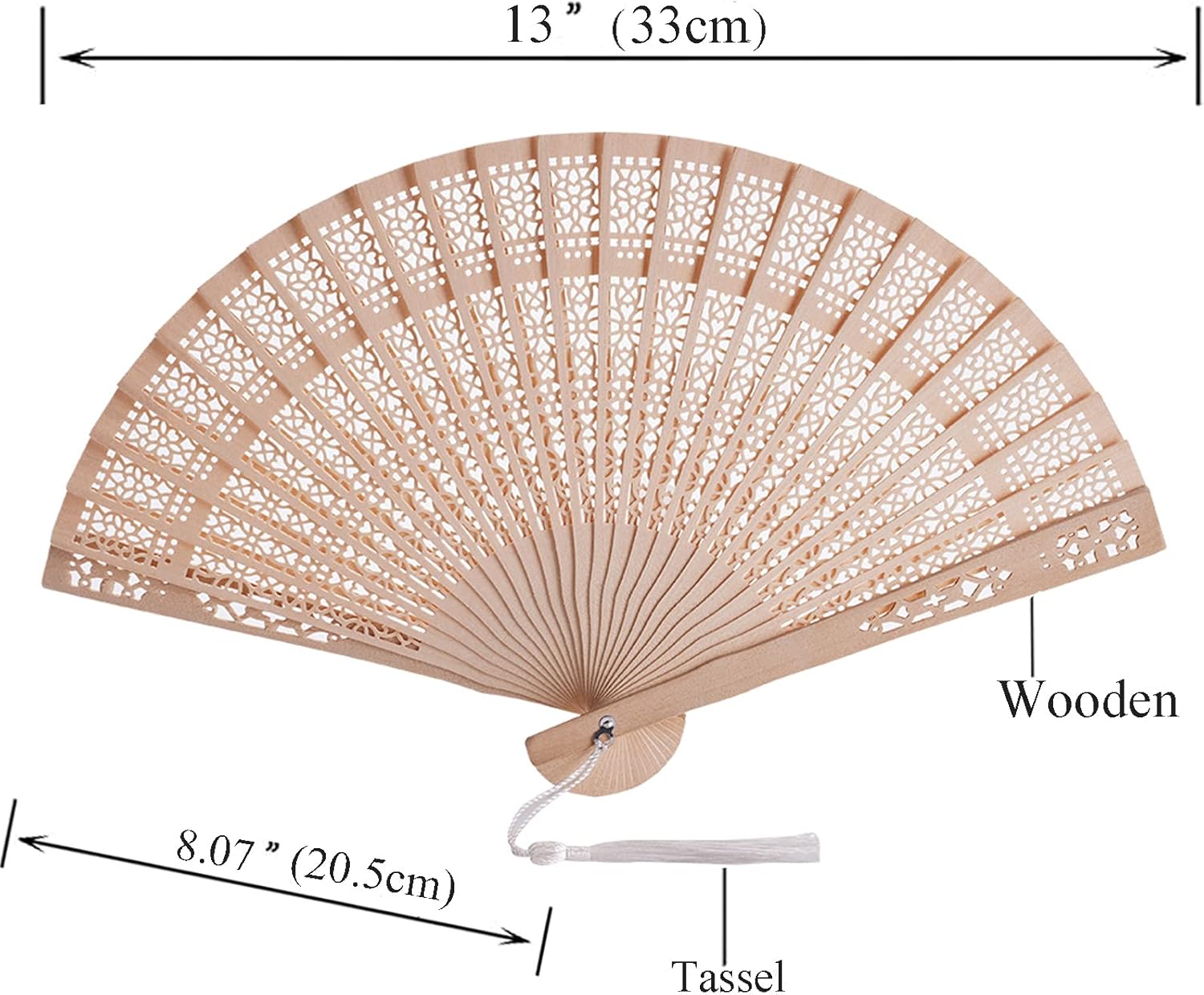
50
$47.49
In stock on Amazon
Check price on AmazonDecision Summary: Matching Format to Scenario
| Scenario | Best Format | Budget Signal |
|---|---|---|
| Short ceremony, program integration needed | Paper | $2–$4/unit |
| Destination or luxury aesthetic, keepsake priority | Silk/fabric | $12–$25/unit |
| 90-min+ ceremony in genuine heat | Battery-powered | $8–$16/unit |
| Tight timeline (under 6 weeks) | Paper or battery | Varies |
| Corporate welcome suite or brand activation | Battery-powered (branded) | $12–$18/unit |
Timing Guidance Across All Three Formats
The Knot’s Outdoor Wedding Planning Guide consistently advises that outdoor ceremony details — including comfort-related favors — should be finalized earlier than couples typically expect, because vendor availability compresses during peak wedding season from May through October. The following thresholds reflect that guidance:
90+ days out: All three formats are viable. Silk and fabric fans with custom embroidery or hand-painting require this runway. Use the extra time to request samples from silk vendors before committing to a full order quantity.
60–89 days out: Paper and battery-powered fans are fully viable. Silk fans are possible with domestic vendors or suppliers who can confirm production slots, but this is the edge of the comfortable window. Confirm lead times in writing before placing a deposit.
30–59 days out: Paper and unbranded battery fans are your reliable options. Branded battery units with engraving may still be achievable depending on the supplier’s current queue — call before assuming. Silk is high-risk at this range unless a vendor can commit to a confirmed ship date.
Under 30 days: Paper is your only format with near-universal availability at custom print quantities. Off-the-shelf battery fans without custom branding can be sourced quickly, but branded units at wedding quantities are unlikely to arrive in time with any margin to spare.
Supply chain variability in 2025–2026 has affected all three categories during peak season, with custom print vendors reporting extended turnaround windows compared to prior years. The 60-day threshold is the safe planning floor for any customized fan format. Inside that window, build a timeline backward from your setup day — not your wedding date — to leave room for quality checks, battery testing, and packaging assembly.
The fan format you pick signals something to your guests before they even open the program. Choose the signal that matches the event, and give yourself enough runway to execute it cleanly.