Mints and wrapped candies are among the oldest reception favors in the book — small, edible gifts set at place settings or piled into a basket near the exit so guests can grab one on the way out. They’re practical, universally acceptable, and cheap enough to scale across a large headcount. But “cheap and edible” is both their selling point and their central tension: when the per-unit cost is low, the difference between a forgettable freebie and a genuinely charming keepsake lives entirely in the packaging and the presentation layer. This guide breaks down exactly what mint and candy favors cost at various quantity breaks, what presentation formats actually move the needle, and — most importantly — what the consumption data says about which formats guests actually eat versus which ones they leave on the table.
If you’re mid-planning and staring down a 120-person headcount with a $600 favor budget, this article will help you pressure-test whether candy favors are the right call, and if so, which tier of execution makes sense for your event aesthetic.
What You’re Actually Buying: Formats and Price Tiers
Before running numbers, it helps to separate the product formats, because they carry different cost structures, lead time requirements, and guest-interaction patterns.
Loose bulk mints (pillow mints, starlight mints, ribbon candy) are the no-frills anchor of this category. You buy a 5- or 10-pound bag, drop mints into a display bowl or apothecary jar at the exit, and guests self-serve. Unit economics are exceptional — bulk pillow mints from wholesale suppliers commonly run $0.02–$0.06 per piece at the 5-lb tier. The presentation ceiling is low: no matter how beautiful the vessel, a loose mint is a loose mint.
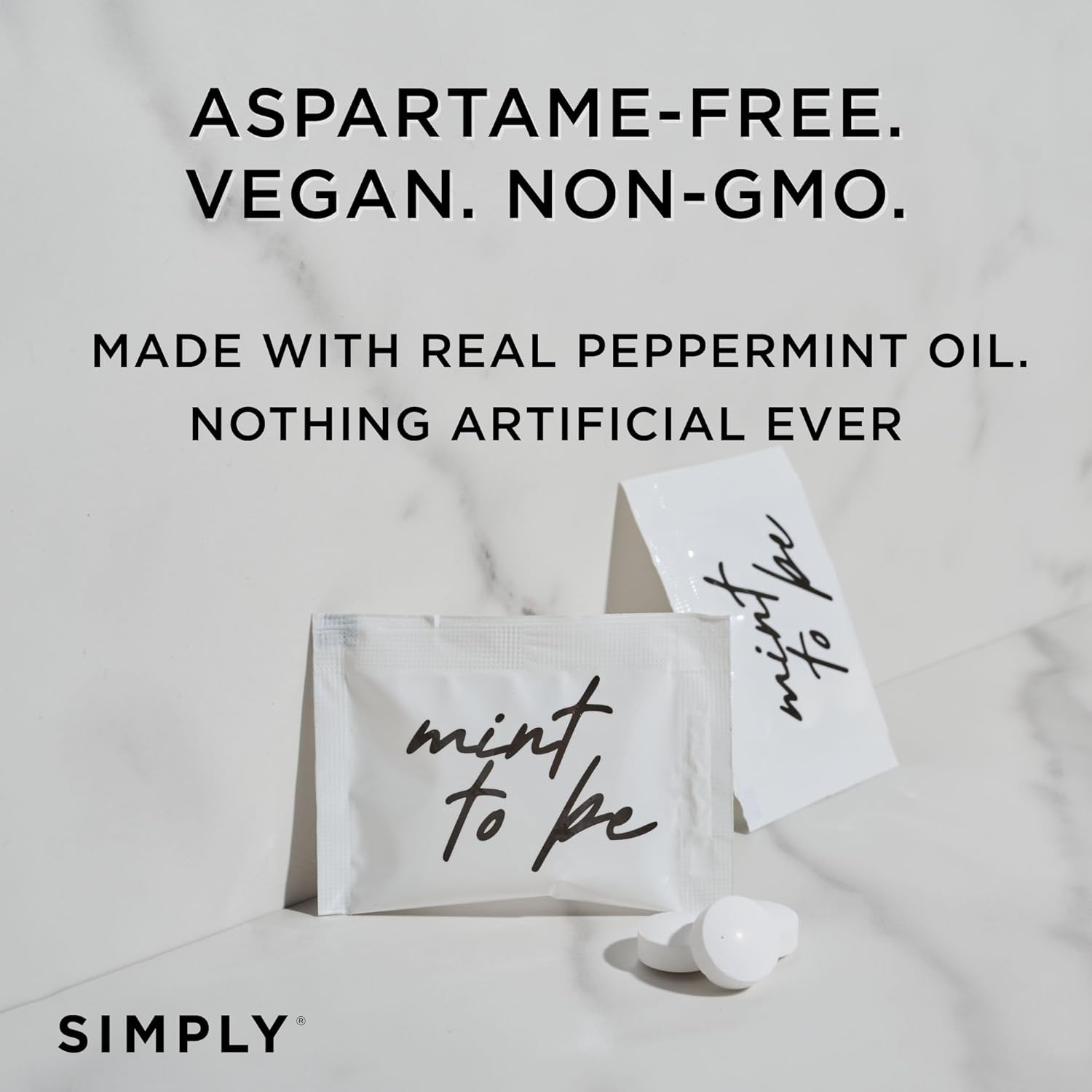
Pre-wrapped individual packets are the mid-tier workhorse. These are single-serve pouches — usually 4 to 12 mints or candies — that arrive heat-sealed or twist-tied from the vendor. The packet itself becomes the favor. At standard order quantities (100–300 units), pre-wrapped mint packets from specialty vendors run $1.25–$3.50 per packet depending on candy quality, packaging material, and whether customization (a printed label, a foil-stamped hang tag) is included. This is the tier most intermediate planners are working in.
Personalized tins and boxes step up to the $3.50–$8.00-per-unit range. A hinged tin filled with Jordan almonds, pastel mints, or custom-colored M&Ms — printed with the couple’s name, monogram, or a short phrase — functions as both a favor and a small keepsake. Lead times extend to 2–4 weeks for standard custom orders; premium vendors with hand-lettered or letterpress lids can run 6–8 weeks.
Luxury confection formats — think single-origin chocolate bonbons in a branded sleeve, artisan sugar-dusted gummies from a named confectionery, or individually wrapped caramels with a gold-foil label — enter the $8–$18 per unit range and start competing with candle favors and small stationery gifts for the same budget slot. Martha Stewart Weddings’ edible favor coverage notes this tier has grown as couples look for gifts that “communicate quality rather than just quantity.”
The Real Per-Packet Math
Here’s the core number set most planners need:
By the numbers — candy favor cost at 150 guests, mid-2026 market
| Format | Per-Unit Range | 150-Guest Total | Customization Lead Time |
|---|---|---|---|
| Bulk loose mints (self-serve bowl) | $0.03–$0.07 | $5–$11 | None |
| Pre-wrapped packet, no custom label | $1.25–$2.00 | $188–$300 | 3–7 days |
| Pre-wrapped packet, custom label | $2.00–$3.50 | $300–$525 | 10–18 days |
| Personalized tin with fill | $4.00–$7.50 | $600–$1,125 | 14–28 days |
| Artisan confection, branded sleeve | $9.00–$16.00 | $1,350–$2,400 | 21–45 days |
These ranges reflect vendor pricing patterns aggregated across specialty favor retailers and wholesale confection suppliers as of Q1–Q2 2026. Shipping adds $35–$120 for most bulk orders in this range; expedited shipping can double that figure.
One number The Knot’s 2025 Real Weddings Study flagged: the average couple spent $680 total on favors in 2025, which at a median guest count of 115 works out to roughly $5.91 per guest. That places most real-world candy favor budgets squarely in the pre-wrapped packet or low-end tin tier — not the artisan confection range, unless you’re working with a deliberately smaller headcount.
Presentation: Where the Return on Investment Actually Lives
The practical reality of candy favors is that the candy itself is not the differentiator — sugar is sugar. The guest experience is almost entirely a function of how the favor is staged at the event. Three presentation decisions drive the most variation in outcome:
Display architecture. A loose mint in a bowl at the exit is functionally invisible. The same mint in a labeled kraft paper bag with a twine tie, placed at each seat, reads as intentional. Reviewers and planners consistently report on wedding forums and planning communities that placed favors — at the seat, at the place setting — have dramatically higher uptake than exit-station formats. Brides’ coverage of favors guests actually keep corroborates this: edible favors that require zero decision-making effort from the guest (“it’s already at my seat”) outperform self-serve stations by a significant margin.
Label and tag execution. A printed label moves a plain packet from commodity to favor. A hand-lettered hang tag moves it from favor to keepsake-adjacent. The cost difference between a digitally printed sticker label (often included in per-packet pricing) and a letterpress or foil-stamped tag is roughly $0.40–$1.20 per unit at quantity, which is a meaningful line item at 150+ guests but a reasonable investment at 50–80 guests for a micro-wedding or intimate celebration.
Color and candy cohesion. Jordan almonds, M&Ms, and malt balls are all available in custom color matching. Pastel mints can be ordered in specific Pantone-adjacent shades from specialty confection vendors. Town & Country’s luxury wedding favor coverage points to color-matched candy as one of the easiest ways to tie a candy favor into a broader event palette without increasing the per-unit cost substantially — typically $0.15–$0.50 per unit upcharge for color selection at standard MOQs (minimum order quantities, meaning the smallest batch a vendor will process).
What Guests Actually Eat: Consumption Patterns and Category Survivability
This is the question planners avoid asking, but it’s the most operationally relevant one: do guests take candy favors home, and do they eat them?
The short answer, drawn from aggregated planner experience and favor industry reporting, is: edible favors have high on-site consumption and low take-home survivability. That is not necessarily a problem — it depends on what you want the favor to accomplish.
If the goal is a guest experience enhancement (something pleasant to eat during cocktail hour or on the drive home), candy and mints are excellent. If the goal is a lasting reminder of the event — something the guest sees on a shelf three months later and associates with your wedding — candy is a poor vehicle. Brides’ favor coverage consistently categorizes edible favors as “experience-first, keepsake-second,” and the planning community broadly agrees.
The format exception worth noting: personalized tins. The candy inside gets eaten; the tin gets kept — at least short-term. Planners who’ve worked with hinged mint tins report that guests repurpose them for desk storage, jewelry, or small accessories. The tin becomes the keepsake; the candy is essentially the justification for giving it. If your goal is physical survivability beyond the event, budget up to the $4.00–$7.50 tin tier and accept that the confection is secondary.
One additional consumption variable: placement timing. Favors set out at the beginning of a reception tend to disappear — guests eat them, play with them, or pocket them early. Favors staged as guests leave (exit favor bags, farewell tables) have lower per-guest consumption but higher take-home rates. If you want guests to actually eat the candy, place it early. If you want the packaging to be seen and appreciated, stage it at exit.
Tradeoffs by Use Case
The decision framework here is relatively clean once you’ve named the constraints:
If your priority is lowest per-guest cost and maximum headcount coverage: Bulk loose mints in a curated vessel (apothecary jar, vintage candy jar, branded tin with a ladle) is the move. Budget $0.05–$0.10 per guest for the candy and $25–$60 for the vessel. The favor “read” comes from the display, not the per-unit item.
If your priority is a favor that registers as intentional but keeps the budget under $4 per guest: Pre-wrapped packet with a custom label is the right tier. Order 15–20% overage — you will lose packets to handling, display, and guest attrition. Build in a 10-day minimum lead time for label printing even if the vendor quotes less; custom print jobs on short timelines have high error rates.
If your priority is something guests keep beyond the event: Move to the tin format at $4.50–$7.00 per unit, and accept that you’re paying for the vessel, not the candy. Source the tin and the candy separately if your order volume is above 100 units — specialty tin suppliers often undercut all-in favor vendors by 20–30% at that quantity break, and you can fill locally.
If your event is luxury-tier and the favor budget is $12+ per guest: Artisan confection in a branded format is defensible, but at this price point the candy favor is competing directly with candle favors, small fragrance items, and custom stationery. Town & Country’s event coverage and planners serving the premium segment generally note that at $12+, guests have higher expectations of the packaging experience, not just the candy quality. A beautiful single-origin chocolate truffle in a plain glassine sleeve will underperform a well-packaged mid-tier truffle in a foil box with a tissue lining. Packaging ROI accelerates at the luxury tier.
If you’re on a corporate gifting brief where brand alignment matters: pre-printed custom packaging with a logo or brand mark is available from most specialty favor vendors at quantities of 50+. Lead times run 2–3 weeks for digital print and 4–6 weeks for embossed or foil-stamped treatments. Per-unit cost at 100 units with custom branding typically lands at $3.00–$5.50 for a mid-tier candy tin — a reasonable line item for welcome gift suites or VIP event place settings.
The single clearest decision rule: if you want guests to remember the favor, the packaging has to survive the event. Candy doesn’t. Tins do. Design accordingly.